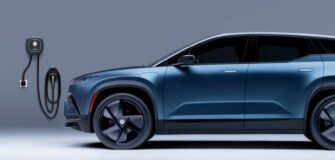
Volvo EV Strategy Keeps the Brand All-In on EVs
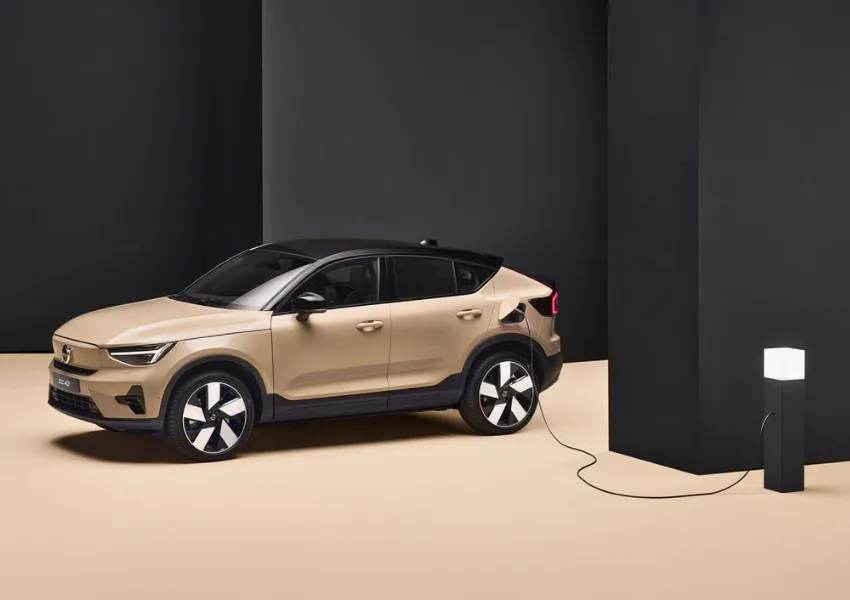

Volvo EV strategy
Image Credit: VolvoCars
The auto industry in 2026 feels divided. Some carmakers are slowing down their electric ambitions and leaning harder into hybrids. Others are trying to play both sides, keeping one foot in gasoline and the other in battery power. Volvo? It has chosen a lane and stayed in it.
The company’s Volvo EV strategy remains firmly committed to battery electric vehicles, even as parts of the market hesitate. After spending time behind the wheel of Volvo’s latest electric lineup, it’s clear this isn’t just about replacing engines with batteries. Volvo is redesigning the entire ownership experience. And honestly, that’s why the Volvo EV strategy still feels different.
Why Volvo Hasn’t Changed Course
Here’s the thing: Volvo isn’t treating electrification like an experiment.
The company still plans to become a fully electric brand by 2030, and its investments suggest it means business. Instead of spreading resources across too many technologies, Volvo has gone deeper into EV-specific engineering, software integration, and smarter manufacturing.
That focus matters.
In a market shaped by unpredictable EV market trends 2026, consistency gives Volvo an edge. While competitors recalibrate, Volvo continues building around a single vision: Volvo zero emissions without compromising luxury or safety.
The EX90 and EX30 Show Two Sides of Volvo
The current Volvo EV strategy works because it covers very different buyers.
The compact EX30 targets urban drivers who want premium quality without oversized dimensions. Looking at the Volvo EX30 specs, it punches well above its size with strong range, recycled interior materials, and a distinctly Scandinavian design language. Then there’s the EX90.
After spending time around the SUV, one thing becomes obvious: this isn’t simply a luxury electric SUV. It feels more like a technology platform wrapped inside a premium family vehicle. Recent Volvo EX90 reviews praise its quiet ride, advanced safety systems, and software-first approach. Better yet, the Volvo EX90 800V charging setup dramatically cuts charging times, helping reduce the range anxiety that still worries many EV shoppers.
Key Specs Driving Volvo’s EV Push
- EX30: Compact footprint with premium urban appeal
- EX90: Advanced safety tech and fast-charging capability
- EX60: Upcoming midsize SUV built on next-gen architecture
- SPA3 Platform: Designed exclusively for electric vehicles
- Cell-to-Body Technology: Better battery packaging and efficiency
The SPA3 Platform Changes Everything
A major reason the Volvo EV strategy feels serious lies beneath the sheet metal. The upcoming Volvo SPA3 platform marks one of the brand’s biggest engineering shifts in years. Unlike older vehicle architectures adapted for electric use, SPA3 was designed specifically for EVs from the beginning.
That matters for efficiency.
So, how Volvo SPA3 platform improves EV battery density comes down to smarter packaging. Volvo’s new Volvo cell-to-body technology integrates battery cells directly into the vehicle structure rather than stacking them into bulky modules.
The benefits stack up quickly. Higher energy density. Lower weight. Better structural strength. And for drivers, that usually means improved range and sharper handling without making the vehicle feel oversized.
Torslanda’s Factory Transformation
Volvo’s commitment isn’t just happening in design studios. It’s happening at the factory level too.
The Torslanda plant transformation in Sweden may quietly be one of Volvo’s smartest moves. The facility is being redesigned around next-generation EV manufacturing with heavy investment in automation and megacasting in car manufacturing. If you haven’t heard the term before, megacasting means building larger sections of a vehicle from single aluminum castings instead of stitching together hundreds of smaller parts.
The payoff? Lighter vehicles, fewer components, stronger structures, and faster production. This shift becomes especially important for Volvo EX60 production, which is expected to play a major role in Volvo’s future electric lineup. Early reports suggest Volvo EX60 production at the Torslanda plant could become one of the company’s most efficient manufacturing programs yet.
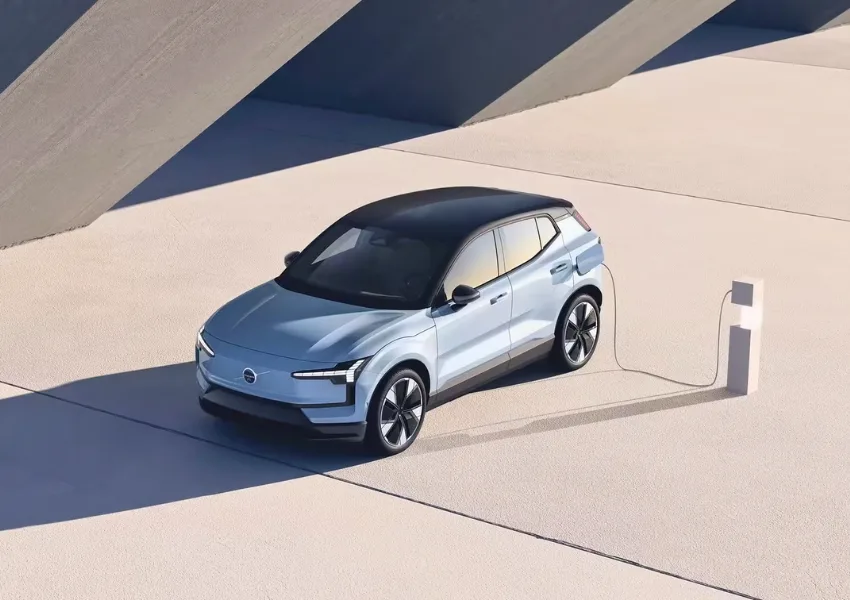
Volvo electric cars
Image Credit: VolvoCars
More Than Just Electric Luxury
Luxury electric SUVs now compete on more than acceleration figures. Volvo understands that.
The brand’s software upgrades, including the Volvo Car UX 5.05 update, show how seriously it takes digital ownership experiences. Navigation, energy management, safety monitoring, and personalization feel increasingly seamless. It’s subtle, but noticeable.
Rather than overwhelming drivers with flashy screens or gimmicks, Volvo focuses on making the experience calmer and easier. That approach fits perfectly with the brand’s long-standing reputation for thoughtful design. And yes, the quiet cabin still feels incredibly Swedish.
Why Volvo’s Bet Still Makes Sense
Many sustainable car brands talk about environmental goals. Volvo appears willing to redesign its entire business around them.
Battery sourcing, manufacturing methods, and circular economy practices now sit closer to the center of the company’s strategy. That’s important because electric buyers in 2026 increasingly care about where materials come from, not just range numbers.
More importantly, Volvo seems willing to stay patient. The EV transition hasn’t been perfectly smooth for the industry. Demand fluctuates. Regulations change. Competition grows. But Volvo continues investing while others pause. That confidence says a lot.
Conclusion
The reason the Volvo EV strategy still feels convincing is because it looks intentional rather than reactive. Volvo isn’t chasing headlines or trying to hedge every possible market outcome. It has committed to a future built around electric vehicles and continues refining every layer of that decision — from battery density and factory production to software and customer experience.
Whether it’s the approachable EX30, the tech-heavy EX90, or the highly anticipated EX60, Volvo is proving that going fully electric doesn’t mean sacrificing identity. If anything, the brand feels more focused than it has in years. And in an industry still figuring out its next move, that clarity might become Volvo’s biggest advantage.