Hybrid Sports Car Leads the Shift in Sports Coups
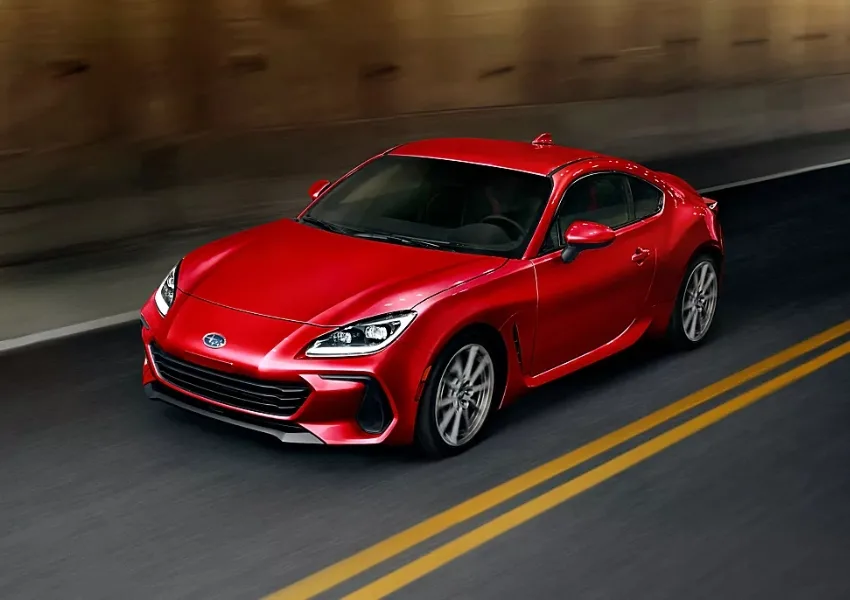

hybrid sports car
Image Credit: Subaru
For years, the Subaru BRZ held a near-perfect reputation among driving enthusiasts. It was simple, rear-wheel drive, lightweight, and refreshingly analog in a world obsessed with screens. But 2026 is telling a different story. A revived icon has entered the fight, and the numbers are hard to ignore. The Honda Prelude Hybrid is rapidly becoming the hybrid sports car buyers actually want, and it’s already pulling ahead in sales.
That shift says something important. Enthusiasts still love performance, but many also want comfort, efficiency, and a car they can live with every single day. Here’s the thing: the Prelude has figured out how to deliver both.
The Sports Coupe Formula Has Changed
The market for entry-level sports cars isn’t what it used to be. A decade ago, buyers chased raw mechanical feel above everything else. Manual gearboxes mattered more than fuel economy. Cabin tech came second.
Now? Expectations are different.
People still want fun. They just don’t want to sacrifice practicality to get it. That’s exactly why the hybrid sports car segment has gained momentum in 2026.
The return of the Prelude taps into this shift perfectly. Built from a Civic Hybrid-based sports car foundation, Honda has created something surprisingly balanced: sporty enough for weekend drives and refined enough for the Monday commute. Meanwhile, the Subaru BRZ’s sales decline reflects changing priorities rather than poor engineering. The BRZ remains a fantastic machine. It’s just no longer the only answer.
Why the Honda Prelude Feels Fresh
Driving the new Prelude feels different from what many enthusiasts expected. Better yet, that difference works in its favor. The moment you pull away, the electric torque makes itself known. There’s an immediate response. No waiting. No winding out the revs just to feel momentum. Around town, the Prelude feels lively and surprisingly eager.
The 2026 Honda Prelude horsepower figure lands around 210 combined horsepower. On paper, that sounds slightly lower than the BRZ’s 228 hp boxer engine. In reality, the hybrid system changes how the car behaves. The torque arrives instantly. That makes the Prelude feel quicker in everyday driving, especially in traffic or city environments where most people actually spend their time.
In the ongoing hybrid vs. ICE performance 2026 conversation, Honda has made a convincing argument that speed isn’t only about horsepower numbers anymore.
Subaru BRZ vs. Honda Prelude: Which One Drives Better?
This is where the debate gets interesting.
The Subaru BRZ vs. Honda Prelude comparison ultimately comes down to personality. The BRZ remains the purist’s choice. Rear-wheel drive gives it playful dynamics, and enthusiasts still appreciate its mechanical honesty. Throw it into corners, and it rewards confident inputs.
But the Prelude counters with confidence of its own. Its front-wheel-drive setup, combined with electric assistance, creates exceptional grip and balance. Honda’s tuning keeps body roll controlled while maintaining comfort for everyday roads.
Among the best-handling coupes, the Prelude deserves serious attention. The battery placement sits low in the chassis, helping preserve balance. That means the extra hybrid weight rarely feels intrusive. If anything, it makes the car feel planted and composed. For many buyers choosing between RWD vs FWD sports cars, practicality is becoming part of the equation. And that gives Honda an edge.
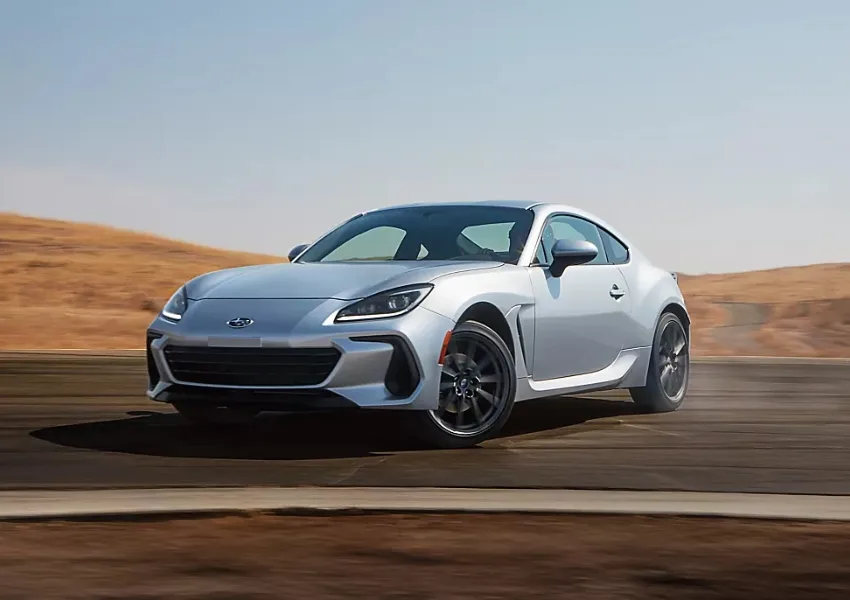
The Subaru BRZ
Image Credit: Subaru
Why Buyers Are Switching to a Hybrid Sports Car
The biggest reason buyers are moving toward the Prelude isn’t styling or nostalgia. It’s ownership reality. The BRZ remains fun but thirsty. Fuel stops add up quickly, especially when driven aggressively. The Prelude changes that equation.
Key Reasons Buyers Prefer the Prelude
- Hybrid coupe fuel economy nearly doubles the BRZ’s efficiency
- Smoother ride quality for daily commuting
- Better cabin refinement and quieter operation
- Updated infotainment and modern safety tech
- Strong low-end torque that feels effortless in traffic
For drivers who want affordable performance cars, ownership costs matter more than ever. That’s especially true as new car sales figures for 2026 show younger buyers leaning toward vehicles that combine fun with practicality.
A New Chapter for Japanese Sports Cars
Something exciting is happening again in the world of Japanese sports cars. Manufacturers are finally recognizing that performance doesn’t have to mean compromise. Honda’s return to the Prelude nameplate feels intentional. It blends nostalgia with modern expectations instead of simply recreating the past.
The BRZ still represents old-school driving purity. It absolutely has a place.
But the Prelude? It feels like where performance is heading. Lighter, smarter, more efficient. The rise of lightweight hybrid sports cars suggests that enthusiasts are becoming more open-minded. Performance can still be emotional, even when electricity enters the picture.
The Hybrid Sports Car Formula Works
The success of the Prelude proves one thing clearly: buyers aren’t abandoning sports cars; they’re redefining what they expect from them.
The hybrid sports car market is growing because drivers want balance. They want fun without excessive fuel costs. They want excitement without sacrificing everyday usability. Honda has delivered exactly that with the Prelude, which explains why it’s already outselling the Subaru BRZ. The BRZ will always appeal to purists chasing traditional rear-wheel-drive thrills, but the Prelude feels better aligned with how people actually drive in 2026. And based on current momentum, this model may only be the beginning of a much bigger shift.