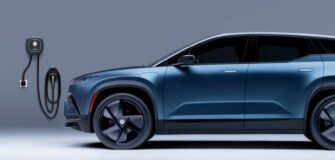
Scout Brand Relaunch Reportedly Delayed to 2028
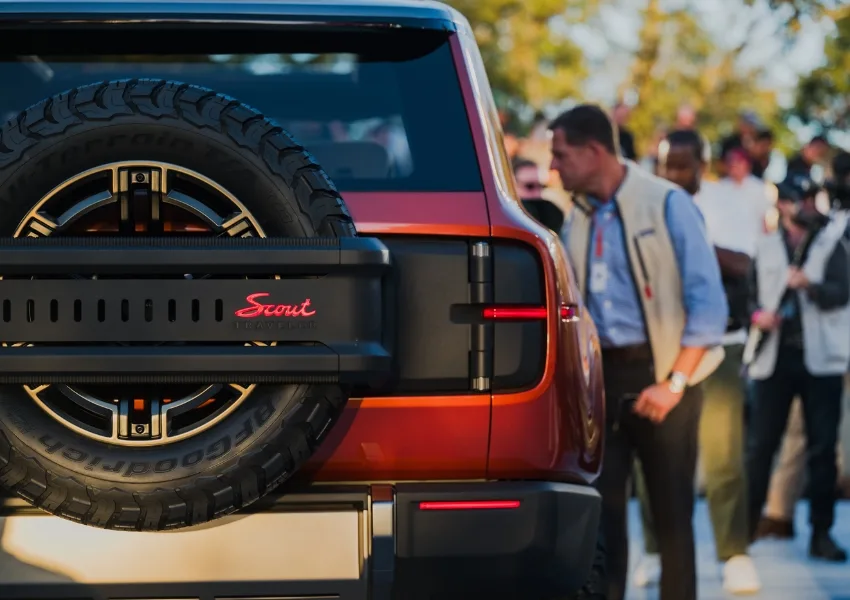

Scout Motors Volkswagen
Image Credit: Scout Motors
If you’ve been following the return of Scout Motors, you probably had 2027 circled in your mind. That was the target for production when the Terra pickup and Traveler SUV were first revealed. Now, a report from Germany suggests the timeline may be slipping by roughly a year, potentially pushing production toward mid-2028.
The report attributes the delay to “technical issues.” Scout has denied that production has been delayed, but it has not directly addressed the technical concerns mentioned.
Scout’s Official Response
When asked about the reported delay, a Scout representative stated that the company is still targeting initial production in 2027. Customer deliveries would follow after that. Validation vehicles are expected to begin in 2026, with development continuing through 2027.
From your standpoint as someone tracking Electric SUV news, this creates a gray area. Official messaging says the plan remains intact. External reporting suggests complications. That tension is not uncommon in today’s auto industry, especially when new EV architectures are involved.
Where the Technical Problems May Be
The issues reportedly center around Scout’s Harvester extended-range models. Both the Scout Terra pickup release and the Scout Traveler SUV concept will be offered as full EVs and as extended-range electric vehicles. The Harvester setup includes a gasoline engine mounted under the rear cargo area to extend driving range once the battery is depleted.
Originally, Scout intended to prioritize the pure EV models. However, more than 80 percent of preorders reportedly selected the range extender versions. That changed the development focus.
Here is where things become complicated. Scout and Volkswagen rely on Rivian’s EV software and zonal electrical architecture through a joint venture. Rivian built its system for fully electric vehicles. Adapting it to support extended range configurations has reportedly proven difficult. Rivian sells only EVs, so adapting its software for EREVs is not its main priority.
Volkswagen’s Cariad software division has reportedly stepped in to help bridge the gap. Scout has not confirmed this directly, but it aligns with how software integration has played out within the Volkswagen group before.
Engineering Challenges Behind the Scenes
There is also a physical packaging issue. The Terra and Traveler were originally designed as EVs only. No space was reserved for a combustion engine. Once the Harvester version became the focus, engineers had to find room for a four-cylinder engine under the cargo floor or truck bed, positioned behind the rear axle.
That decision brings consequences. Engines add weight. Weight affects balance, payload, and towing.
Scott Keogh confirmed that the Harvester versions will have a towing capacity of 5,000 pounds. The fully electric Terra pickup is rated up to 10,000 pounds. The Traveler EV SUV weighs up to 7,500 pounds.
If you are evaluating future Adventure EVs or watching the 4×4 EV market, those numbers matter. Towing capacity is not a small detail for buyers looking at rugged electric trucks and SUVs. Extra weight at the rear can also affect payload capacity and tongue weight, which are important factors for serious truck owners.
Engineers also had to account for cooling systems, exhaust routing, and fuel storage in a space that was not originally meant for them. That kind of late-stage redesign can slow development more than people realize.

off road electric SUV
Image Credit: Scout Motors
Financial Pressures Add Another Layer
Scout is not just launching vehicles. It is relaunching a brand decades after the original International Harvester revival concept was put on hold. The company is headquartered in Charlotte, North Carolina, with a purpose built factory in Blythewood, South Carolina.
The Scout South Carolina factory has a capacity of 250,000 vehicles per year. That is a large commitment. At the same time, Volkswagen Auto Group has faced financial challenges in recent years. Tariffs in the United States have affected Audi and Porsche, and cost-cutting measures have been introduced.
According to the report, the scale of Scout’s investment has created internal tension. Building a new brand, funding software development, and equipping a large factory is expensive. In a cautious financial climate, timelines often face pressure.
Competition Is Moving Forward
While Scout sorts out its production schedule, competitors are not standing still. The Ram REV, previously known as the Ramcharger, is expected to reach the market sooner. Ford has also pivoted toward an extended-range F-150 concept.
If the reported Scout EV 2027 delay impact becomes reality, it could give competitors time to strengthen their position in the electric pickup and SUV segment.
What This Means for You
For now, the official stance from Scout remains unchanged. Production is targeted for 2027, with validation vehicles starting in 2026. The reported delay has not been confirmed.
Still, this situation reflects the reality of modern Car industry trends. Bringing an electric or extended-range vehicle to market is complex. Software integration, weight distribution, and financial pressures all play a role.
If you are following Volkswagen EV news or waiting to see how Scout positions itself against rivals in the evolving off-road EV space, the next year will be important. The relaunch of Scout carries nostalgia and ambition. Whether it arrives in 2027 or later, it will need to balance heritage with technical execution. That is often harder than it sounds.