BMW Driving Alternative That Rivals Luxury Sedans
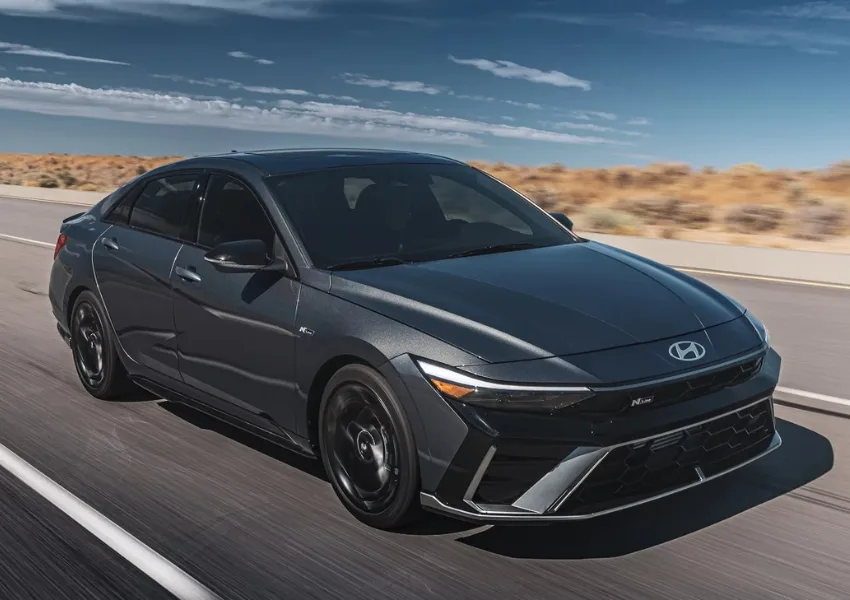

high performance sports sedan
Image Credit: BMW
For years, buying a fun sports sedan meant accepting one painful truth: you usually had to compromise.
If sharp handling and thrilling road feel topped your list, German brands often pulled you in. The steering felt alive, corners came naturally, and the car rewarded every confident input. The downside? Ownership costs often arrived faster than expected. Repairs got expensive. Maintenance became a commitment. On the other side sat Japanese reliability. Dependable. Predictable. Stress free. But many lacked the spark enthusiasts actually wanted.
That balance is exactly why the BMW driving alternative conversation has shifted in 2026. After spending time with the 2026 Hyundai Elantra N, it becomes obvious this car is trying to solve a problem enthusiasts have wrestled with for decades. It wants to feel exciting Monday through Sunday without punishing you at the service center.
And surprisingly, it pulls that off.
Why the Elantra N feels genuinely special
Here’s the thing. The Elantra N does not feel like another commuter sedan pretending to be sporty. Plenty of cars throw on aggressive styling, bigger wheels, and louder exhaust notes without actually backing it up.
This one feels engineered differently. Part of that comes from its roots. Hyundai’s N division adopted the same philosophy behind many respected high performance sports sedans: prioritize balance, steering feel, and confidence at speed.
The result?
A sedan that feels surprisingly alive through corners.
Turn into an apex and the front end responds immediately. The chassis feels eager rather than reluctant. That sense of premium steering response feels closer to premium European performance than most people expect from Hyundai. Actually, this may be one of the strongest examples of a BMW driving alternative currently available without luxury ownership headaches.
Power that feels quick without feeling intimidating
A good chassis means nothing without an engine willing to play along.
Thankfully, Hyundai got this part right.
Under the hood sits one of the more entertaining turbocharged inline four engines in this segment: a 2.0-liter turbocharged four-cylinder producing 276 horsepower and 289 lb-ft of torque. Better yet, the available 8-speed automatic makes the experience even sharper.
The dual-clutch transmission responsiveness feels quick and confident, especially during spirited driving. Gear changes arrive fast without the hesitation many traditional automatics struggle with. Hit the red “N Grin Shift” button, and things get even more fascinating. Power temporarily jumps to 286 horsepower, adding a little extra excitement when roads finally open up.
And yes, it feels fast. The sprint to 60 mph happens in roughly 4.8 seconds, putting this sedan surprisingly close to far more expensive competitors.
The BMW Driving Alternative built for real roads
What really impressed me was how approachable the Elantra N feels. Some performance cars constantly remind you they are tuned for the track. The suspension beats you up. Visibility suffers. Everyday driving becomes exhausting.
Not here.
Among modern adaptive suspension sports sedans, the Elantra N strikes a smart balance. In softer settings, it absorbs rough roads better than expected. Switch modes, and suddenly the car tightens up with far more focus.
That flexibility matters. Because the best daily driver track cars should feel just as comfortable running errands as they do attacking corners. The Elantra N understands that assignment.
Key Features That Stand Out
2026 Hyundai Elantra N Highlights
Pros
- Sharp chassis with impressive sports car chassis tuning
- Strong turbocharged performance for the price
- Adaptive suspension changes personality instantly
- Excellent Brembo performance braking options reduce fade
- Industry-leading warranty improves long-term confidence
Cons
- Cabin materials still trail premium luxury sedans
- Exhaust note may feel aggressive for quieter commuters
- Front-wheel-drive setup may divide traditional enthusiasts
One standout feature deserves extra attention: the mechanical limited slip differential. During hard cornering, it actively distributes power where grip exists instead of wasting energy spinning a wheel.
The payoff feels immediate.
You exit turns harder, cleaner, and with much more confidence.
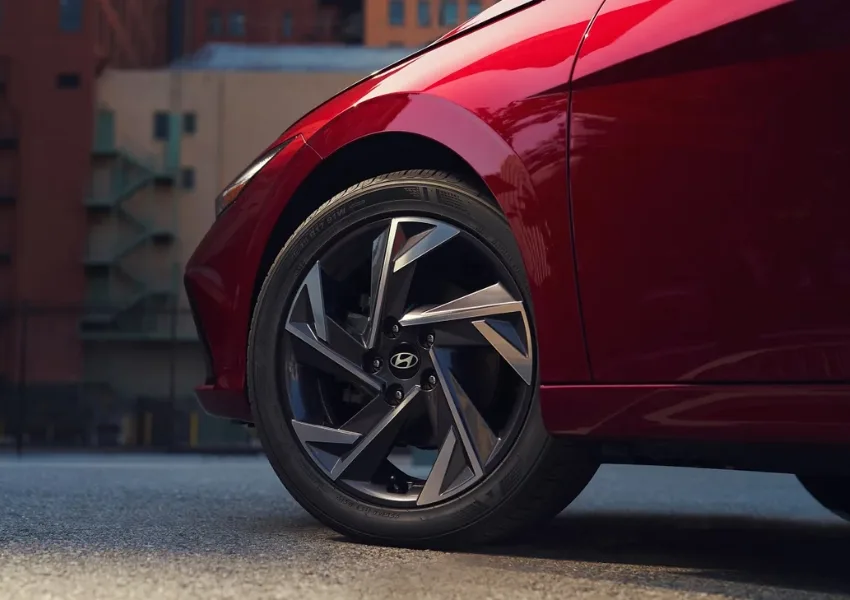
luxury sedan driving dynamics
Image Credit: BMW
Why reliability changes the equation
Performance matters.
But ownership matters too.
This is where the Honda reliability comparison starts making sense. Unlike many European rivals, the Elantra N avoids overly complicated systems that drive maintenance costs through the roof.
Routine service stays manageable. Parts remain easier to access. Better still, Hyundai backs the car with a 10-year/100,000-mile powertrain warranty. That peace of mind matters when comparing European vs. Japanese sedans. Because honestly, even exciting cars lose appeal when warning lights start appearing every few months. For buyers shopping for enthusiast cars under 50k, this balance becomes hard to ignore.
Conclusion
The idea of a sports sedan blending German handling with Japanese reliability used to feel unrealistic. Not anymore. The BMW driving alternative many enthusiasts have been waiting for may already be sitting in Hyundai showrooms wearing an Elantra badge. With sharp handling, quick acceleration, strong braking, and realistic ownership costs, the 2026 Hyundai Elantra N proves that excitement and dependability no longer have to sit on opposite sides of the garage. For anyone searching through affordable sports sedans 2026 has to offer, this one deserves a serious drive before making a final decision.