2028 Volvo XC90 Adds 73 Miles of Electric Range
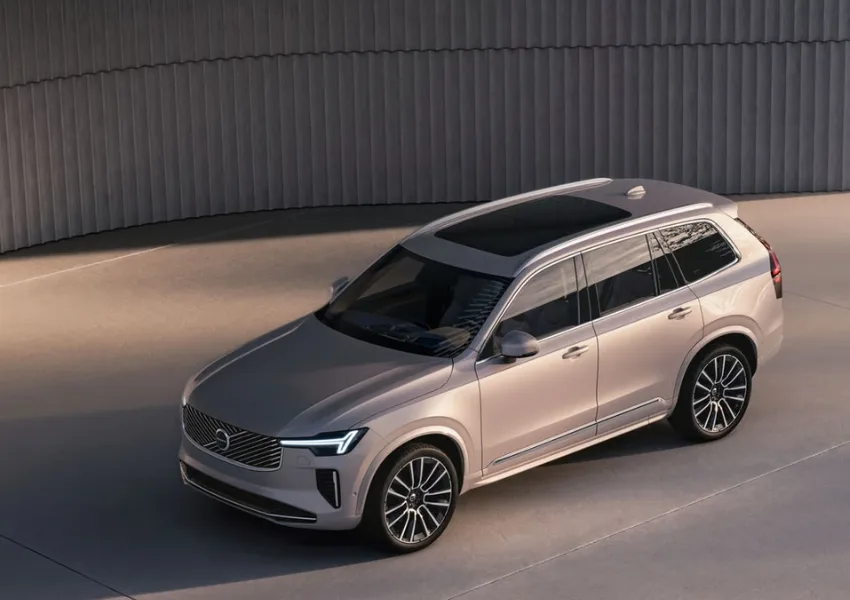

Image Credit: volvocars | 2028 Volvo XC90
The 2028 Volvo XC90 doesn’t look dramatically different, but the real upgrade sits underneath. Volvo has reworked the plug-in hybrid hardware around a much larger battery, pushing the T8 PHEV’s estimated electric range to 73 miles while keeping the familiar three-row luxury SUV formula intact.
That changes how the XC90 fits into daily life. For shorter commutes, school runs, and errands, many owners could drive almost entirely on electricity. Then, when the road stretches farther, the gasoline engine takes over without the planning pressure that comes with a full EV.
2028 Volvo XC90 Gets a Serious Battery Upgrade
The headline number is 37.9 kWh.
That is a huge jump from the smaller battery used previously, and Volvo managed the increase by reworking the floor structure rather than simply stuffing a larger pack into the old transmission tunnel. MotorTrend reports that the new battery lifts electric range from 32 miles to an estimated 73 miles.
Here’s the thing: that is no longer “just enough” plug-in range. A Volvo XC90’s 73-mile electric driving range puts the SUV into a different category. For many families, that could cover an entire normal day without firing the engine at all.
Better yet, Volvo achieved it with only minor compromises. Headroom drops by half an inch or less, while cargo space falls by no more than 1.5 cubic feet. That’s a strong trade.
455 HP Still Gives It Proper Pace
The bigger battery doesn’t turn the 2028 Volvo XC90 into a slow-efficiency special. The T8 PHEV still produces 455 hp and 523 lb-ft of torque through a turbocharged four-cylinder engine and rear-mounted electric motor. That means this three-row hybrid SUV still has real performance behind its calm Scandinavian styling.
The outgoing setup already delivered a 0–60 mph run of about five seconds, and while the larger battery adds roughly 170 pounds compared with a previously tested model, the power remains strong enough to keep the XC90 feeling quick rather than merely adequate. It’s smooth, quiet, and deceptively fast.
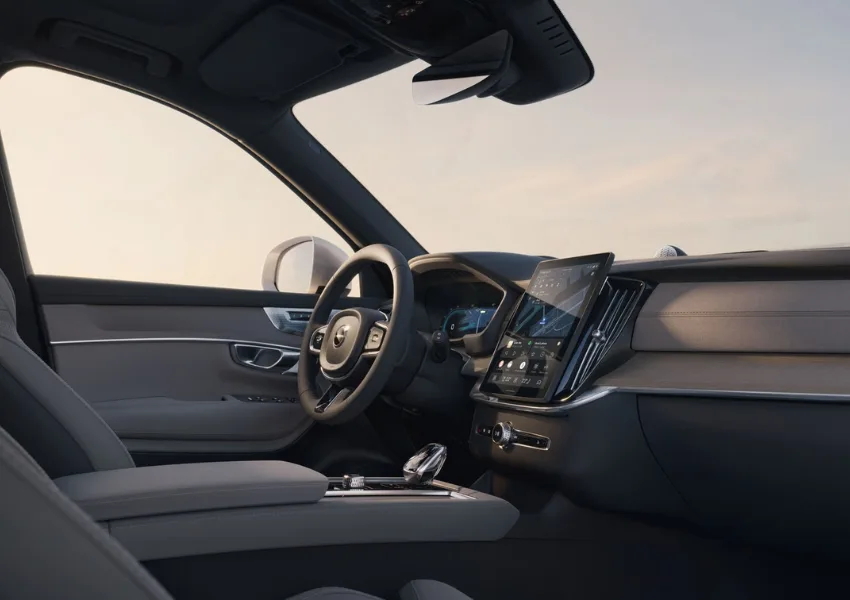 Image Credit: volvocars | Volvo XC90 plug in hybrid
Key Specs
- Battery: 37.9 kWh
- Estimated EV range: 73 miles
- Combined output: 455 hp
- Torque: 523 lb-ft
- Drivetrain: All-wheel drive
- Body style: Three-row luxury SUV
- Total estimated range: 560 miles
- Combined efficiency: 61 MPGe
- Infotainment: Google built-in with Gemini rollout
That makes the 2028 Volvo XC90 T8 PHEV range upgrade much more significant than a normal model-year update.
Long-Range Luxury SUV Without Full-EV Anxiety
This is where the XC90 makes the most sense. A fully electric SUV can work brilliantly for local driving, but long road trips still depend on charging infrastructure and travel planning. The Volvo XC90 plug-in hybrid avoids that trade-off.
Run errands on electricity. Commute quietly. Charge at home overnight. Then head out on a 500-mile family trip without worrying about charging stops. Volvo says total driving range rises to about 560 miles with the new setup.
That makes this a genuinely long-range luxury SUV rather than a PHEV that only uses electricity for a token distance. For buyers who aren’t ready to go fully electric, that matters.
Google Gemini Moves Into the Cabin
The cabin doesn’t undergo a major visual transformation, but the software story keeps improving. Volvo has started rolling Google Gemini into vehicles with Google built-in, including the XC90, replacing the more rigid Google Assistant experience with more natural conversational interaction.
That means drivers can speak more naturally when asking for navigation help, destinations, or connected functions. The system is designed to understand context better, rather than relying on exact command phrasing.
The availability of Google Gemini Volvo infotainment can vary by region, model year, account, and software rollout, so not every owner will receive identical functionality at the same time. Still, it fits the XC90 well. The cabin has always leaned toward calm simplicity rather than visual overload.
The 2028 Volvo XC90 Still Feels Familiar
Visually, don’t expect a revolution. The XC90 received a recent refresh, so the 2028 model largely carries that design forward. The changes are mechanical and digital rather than cosmetic.
That’s not a bad thing.
The proportions still work. The upright body gives it presence without looking oversized, and the cabin remains one of the cleaner interpretations of luxury SUV design. More importantly, the 2028 Volvo XC90 now feels more useful without needing to shout about it.
The Real Benefit Is Daily Electric Driving
The larger battery changes ownership more than another styling update ever could. A 73-mile EV range means many owners could go several days between gasoline use depending on commute length. Charge every night, and the engine may only become relevant on longer trips.
That makes the 37.9 kWh battery 2028 Volvo XC90 setup especially compelling for suburban families. You get the quiet response of electric driving around town and the convenience of gasoline when needed. No drama. Just flexibility.
What Buyers Should Keep in Mind
There are still trade-offs. The larger pack adds weight. Pricing has not yet been announced. And real-world EV range will depend on temperature, speed, terrain, climate-control use, and driving style.
The 73-mile figure should be treated as an estimate rather than a guaranteed number.
Even so, the improvement is substantial. Going from roughly 32 miles of electric range to 73 miles completely changes how often the gasoline engine needs to run.
Conclusion
The 2028 Volvo XC90 is a strong example of why plug-in hybrids still have a role in the transition to electric driving. Volvo hasn’t reinvented the SUV; it has made the part that matters most far more useful. The 37.9 kWh battery, estimated 73-mile electric range, 455-hp output, three-row cabin, and expanding Google Gemini integration turn the XC90 T8 into a far more capable everyday EV substitute without sacrificing long-distance flexibility. For families who want electric commuting but aren’t ready to commit to charging-only road trips, this might be the sweet spot.