2006 Range Rover Sport vs Porsche Cayenne BMW X5
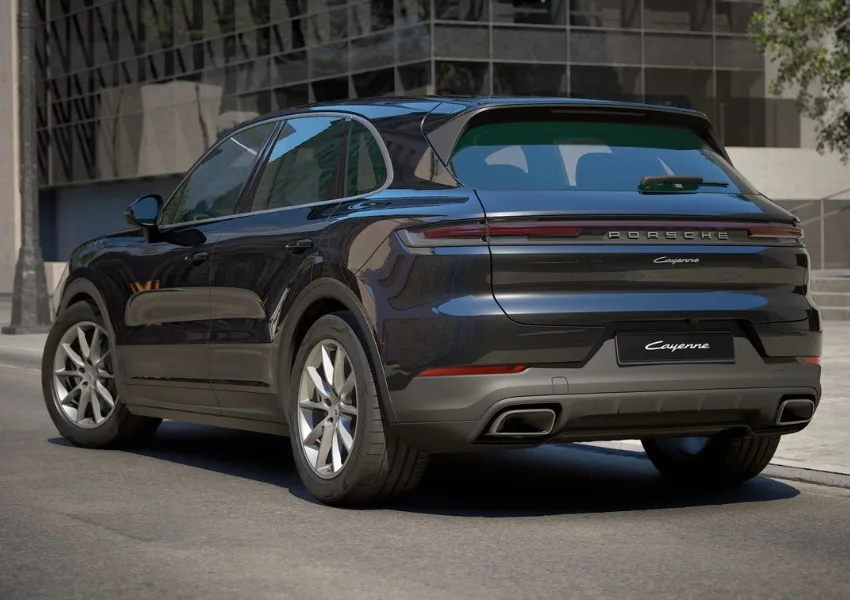

Image Credit: Porsche
The Porsche Cayenne
Back in the mid-2000s, the luxury SUV game was changing fast. BMW had already sharpened the formula with the X5. Porsche shocked everyone with the Cayenne’s performance. And Land Rover? It had heritage, no doubt—but not the same road-focused credibility. That’s exactly where the 2006 Range Rover Sport vs Porsche Cayenne vs. BMW X5 debate began.
Here’s the thing. This wasn’t just another SUV launch. It was Land Rover stepping into a fight it had never fully committed to before—on-road performance.
A Different Kind of Foundation
Instead of building something entirely new, Land Rover leaned on the Discovery 3 platform. That decision shaped everything.
The Integrated Body Frame gave the car serious toughness. It felt planted. Strong. Almost overbuilt. But that came with weight. A lot of it.
Compared to rivals, the Range Rover Sport wasn’t light on its feet. It didn’t dart into corners like a BMW. It didn’t feel as sharp as a Porsche. But it brought something else to the table—confidence. This was a luxury SUV that could actually leave the road behind and keep going.
2006 Range Rover Sport vs Porsche Cayenne BMW X5 Performance
Let’s talk power. Because this is where Land Rover had to prove a point. Under the hood sat the supercharged 4.2L V8, pushing out serious performance for its time. It didn’t scream like a track car, but it delivered strong, steady acceleration that matched the SUV’s character.
Hit the throttle, and you felt it move with authority. Now compare that to the competition. The Cayenne Turbo felt quicker and more aggressive. The BMW X5 leaned toward balance and control. The Range Rover Sport? It felt muscular. Confident. A bit raw in its own way.
And then there was the Dynamic Response suspension. This system tried to keep body roll in check, especially through corners. It worked. Not perfectly, but enough to make the car feel more composed than its size suggested.
Where It Truly Stood Out
Here’s where things got interesting. While the Germans focused on asphalt performance, Land Rover didn’t forget its roots. That meant real off-road ability. Not just a marketing claim.
Mud. Gravel. Inclines. The Range Rover Sport handled them all with ease.
In a straight comparison, the 2006 Range Rover Sport vs Porsche Cayenne BMW X5 wasn’t about who was fastest—it was about versatility. And on that front, the British SUV had a clear edge.
It was the only one that felt just as comfortable off-road as it did pulling up to a luxury hotel.
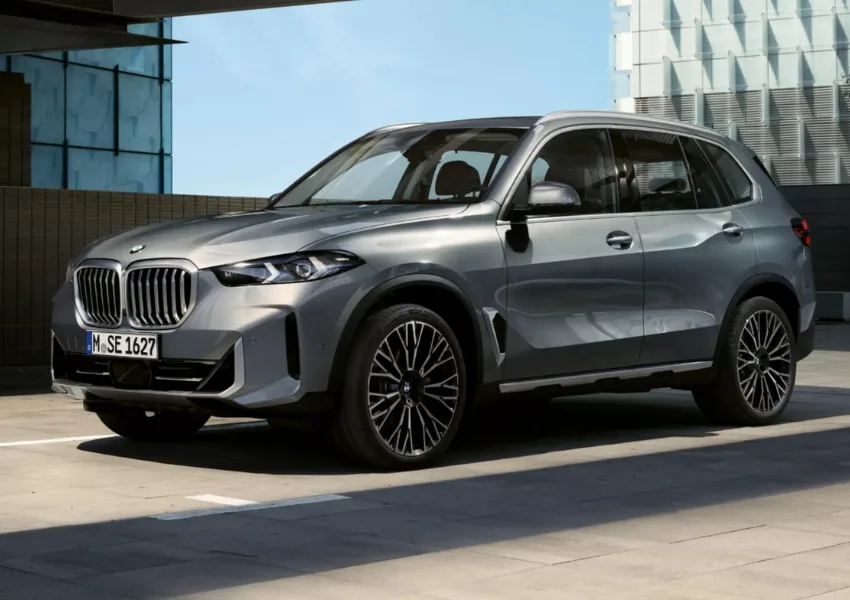 Image Credit: BMW | The BMW X5
Ownership Reality in 2026
Fast forward to today, and things look a bit different. Buying one of these as a used luxury car comes with some realities. The Range Rover Sport L320 reliability and maintenance costs 2026 conversation is very real.
Some common points you can’t ignore:
- Air suspension issues over time
- Electronic quirks, especially with sensors
- Cooling system components needing attention
- Higher-than-average maintenance costs
This is what many owners call the “loyalty tax.” You pay for the experience, not just the machine. But if maintained properly, the engine itself remains strong. That V8 still holds up.
Pros and Cons Snapshot
Pros:
- Strong supercharged V8 performance
- Genuine off-road capability
- Premium road presence and design
- Comfortable ride for long distances
Cons:
- Heavier feel compared to rivals
- Higher maintenance costs over time
- Known air suspension reliability concerns
- Less sharp handling than Porsche or BMW
Is It a Future Classic?
This question comes up a lot now. And honestly, it makes sense. The automotive world is shifting toward electrification. Big V8-powered SUVs are slowly disappearing. That changes how we look at cars like this.
The first-generation Range Rover Sport represents a very specific era. It blends analog driving feel with early modern tech. It’s imperfect, yes—but it has character.
And that counts.
In the 2006 Range Rover Sport vs. Porsche Cayenne vs. BMW X5 comparison, it may not have been the most precise machine. But it delivered something harder to measure—presence.
Final Take
Looking back, the 2006 Range Rover Sport didn’t fully outclass its German rivals on paper. It wasn’t the sharpest. It wasn’t the fastest. But that wasn’t the goal.
What it did was redefine what a Land Rover could be. It proved that a luxury SUV could handle both city streets and rough terrain without compromise. And in doing so, it carved out its own identity in a competitive segment.
Conclusion
The 2006 Range Rover Sport vs. Porsche Cayenne vs. BMW X5 debate isn’t really about winners anymore. It’s about perspective. The Porsche leaned toward performance. The BMW focused on precision. The Range Rover Sport chose balance—power, capability, and presence in one package. Today, that balance feels even more valuable, especially as vehicles become more specialized and less emotional. If you’re looking at one now, you’re not just buying a used SUV. You’re stepping into a moment in automotive history where luxury, performance, and off-road DNA finally met in one bold attempt—and it worked, just differently than expected.