
2025 Corvette ZR1 Proves America Can Still Build Supercars
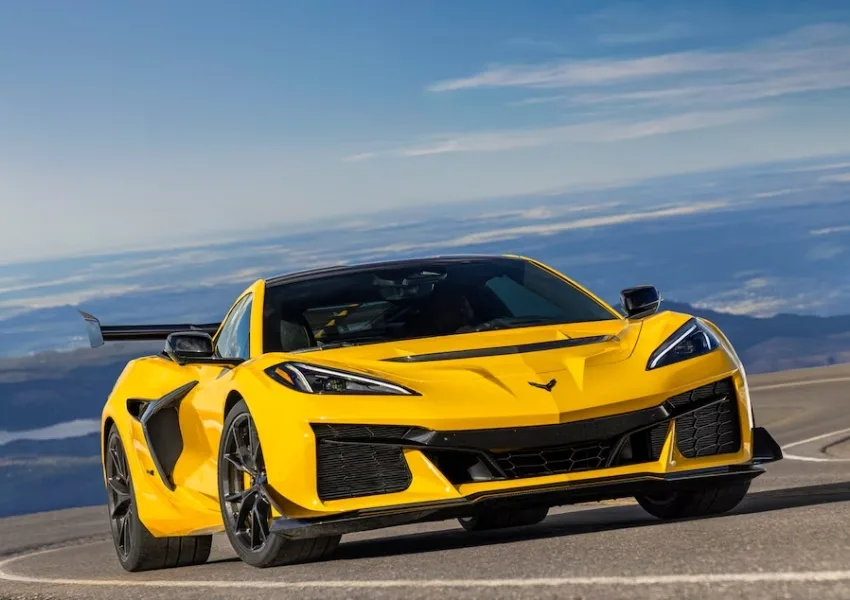

Corvette ZR1 2025
Image Credit: chevrolet
If you look back over the last decade, few American performance cars have evolved as dramatically as the Corvette. When Chevrolet moved the Corvette to a mid-engine layout for the 2020 model year, it was a calculated risk that rewrote the car’s future. The decision wasn’t about following trends; it came from engineers reaching the practical limits of the front-engine platform. The gamble paid off. The eighth-generation Corvette delivered balance, grip, and performance that finally put it in the same conversation as elite European supercars.
By 2025, Chevrolet takes that foundation and pushes it further than anyone expected. The Corvette ZR1 is not an incremental upgrade. It is a statement of what American engineering can achieve when cost efficiency, raw power, and track capability are treated as equal priorities.
The LT7 V8: Where the Numbers Begin
At the center of the 2025 Corvette ZR1 is the LT7 engine, a twin-turbocharged evolution of the flat-plane V8 introduced in the Z06. Chevrolet didn’t start from scratch. Instead, it refined the existing architecture, adding forced induction in the form of dual turbochargers while reworking the intake, fueling, and valve timing systems. The result is staggering output without abandoning reliability or drivability.
You’re looking at 1,064 horsepower delivered to the rear wheels through an eight-speed dual-clutch transmission. That number alone places the ZR1 in territory usually reserved for cars costing significantly more. What makes it remarkable is how controlled that power feels, rather than overwhelming or theatrical for the sake of headlines.
Performance That Rivals the World’s Best
With figures like these, expectations are high, and the ZR1 meets them. Chevrolet claims a 0–60 mph time of 2.2 seconds and a quarter-mile run in under 10 seconds. Those aren’t abstract statistics. They place the ZR1 ahead of established supercars such as the Ferrari 296 GTB and McLaren 750S in straight-line acceleration.
Despite the rise of digital twins and agentic cockpits across the industry, the ZR1’s focus remains mechanical. Active sound tuning enhances the engine’s character without masking it, and the driving experience prioritizes response and feedback over gimmicks like in-car gaming or biometric start systems. This restraint helps the ZR1 feel purposeful rather than experimental.
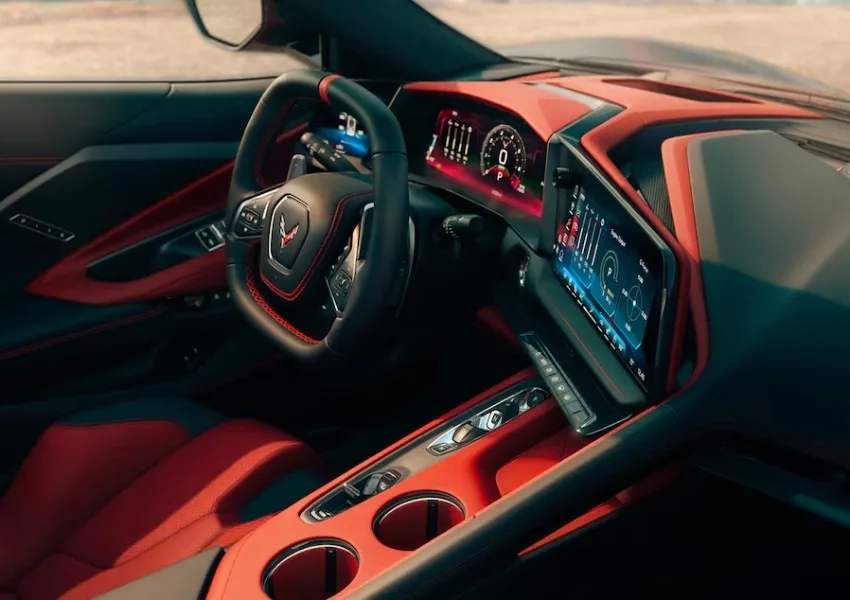
Chevrolet performance cars
Image Credit: chevrolet
Aerodynamics That Serve a Purpose
Raw power alone doesn’t win lap times. Chevrolet equipped the ZR1 with extensive aerodynamic work that plays a critical role in its performance. A flow-through hood design improves front downforce while helping manage heat from the turbocharged engine. Carefully shaped ducts route air to the brakes and cooling systems, ensuring consistency during repeated high-speed runs.
For drivers who want maximum track performance, the ZTK Performance Package adds aggressive carbon-fiber components, including a large rear wing and dive planes. These aren’t decorative elements. Chevrolet states the ZR1 can generate up to 1,200 pounds of downforce at speed when properly equipped.
Built to Stop as Hard as It Accelerates
Power means little without control. The ZR1 uses the largest brakes ever fitted to a production Corvette, with massive rotors designed to manage repeated high-load stops. Combined with wide Michelin Pilot Sport Cup 2 R tires, the ZR1 maintains composure under braking that matches its acceleration.
This balance is where the ZR1 separates itself from many high-horsepower cars. Instead of chasing novelty features like AR-HUD nav or experimental V2G energy systems, Chevrolet focused on fundamentals that matter on road and track.
Nürburgring Results That Back the Claims
Testing at the Nürburgring remains a benchmark for performance credibility, and Chevrolet didn’t shy away from it. The Corvette ZR1 recorded a lap time of 6:50.763, placing it just behind the Porsche 911 GT3 RS and ahead of the much more expensive Ford Mustang GTD. That performance confirms the ZR1’s ability to deliver not only speed but sustained precision.
Pricing That Redefines Value
Perhaps the most disruptive element of the ZR1 is its pricing. With a starting price under $200,000, it delivers performance figures that rival or exceed cars costing hundreds of thousands more. Even as the industry explores future-facing technologies like 8K passenger screens or BMW Alexa+ integration, the ZR1 proves that value still comes from execution, not excess.
Conclusion
The 2025 Corvette ZR1 stands as one of the most convincing examples of American performance engineering in modern history. You’re not buying hype or novelty; you’re getting a supercar built around power, aerodynamics, and real-world capability. In a market increasingly focused on digital features and inflated pricing, the ZR1 delivers something refreshingly clear: world-class performance that speaks for itself.